Ghana needed cedi stability so badly, no matter the cost – AGI CEO, Seth Twum Akwaboah
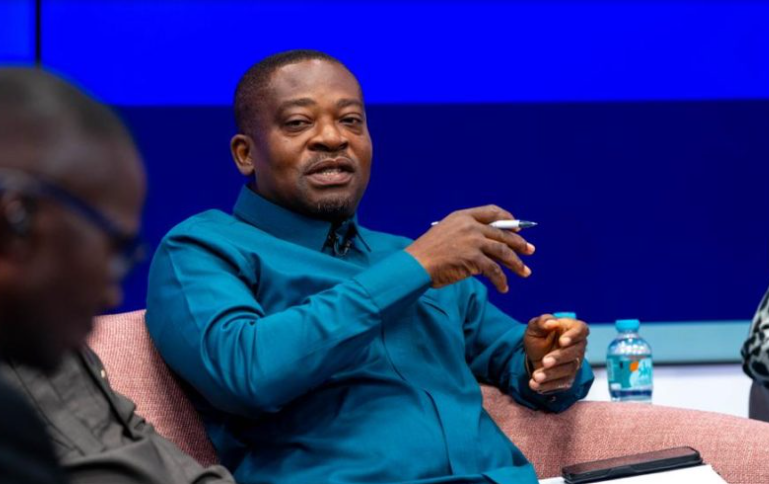
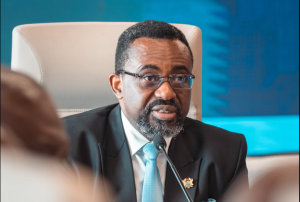
The Chief Executive Officer of the Association of Ghana Industries (AGI), Seth Twum Akwaboah, says Ghana’s recent macroeconomic stabilisation, particularly the strengthening of the cedi was a necessary step to restore confidence in an economy that had been severely shaken by uncertainty.
He made the point that Ghana experienced period of deep economic turmoil where both business and consumer confidence deteriorated significantly.
He further indicated that investment decisions slowed as uncertainty over inflation, exchange rates, and policy direction made it difficult for businesses to commit resources.
“We were in crisis, confidence level was so low, people investing their own resources became an issue. There was so much uncertainty in the system that required that level of stability,” he said at a public forum in Accra on Monday April 27.
Akwaboah stressed that while economic adjustment often comes with costs, the stability of the cedi was essential to reset expectations in the market. Ghana, like many import-dependent economies, is highly sensitive to exchange rate volatility, which quickly feeds into prices of fuel, food, and industrial inputs. In such an environment, stabilising the currency becomes central to controlling inflation and restoring predictability.
He further explained that part of the recent improvement in market conditions has been the reduction of speculative pressure on the foreign exchange market. In previous periods of instability, expectations of continued depreciation often fuelled hoarding behaviour and widened spreads in the parallel market. The recent relative stability, he said, has helped reduce this speculative dynamic and allowed “real market players”, importers, manufacturers, and traders to operate with greater certainty.
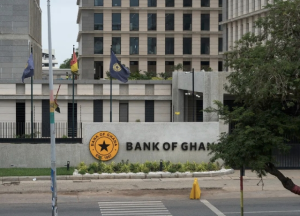
The CEO of AGI also commended the Bank of Ghana for its calibration of monetary policy, particularly its efforts to manage inflation through interest rate adjustments. He noted that recent policy actions have helped ease lending conditions compared to the peak of the crisis period, although borrowing costs remain a concern for industry.
However, he emphasized that the next phase of Ghana’s recovery must focus on productive credit allocation. While acknowledging improvements in monetary stability, he expressed a preference for increased lending to the manufacturing sector to support industrial expansion, job creation, and value addition.
His remarks reflect a broader view within the private sector: that macroeconomic stability is a critical foundation, but sustainable growth will ultimately depend on whether financial conditions translate into real investment in production rather than remaining concentrated in consumption or short-term trade financing.
Source: 3news.com by Laud Nartey